


Those fighting an opioid use disorder require other therapies, counseling, and guidance for success and long-term drug rehab. There are two main approaches to detox, including medical and natural. After going off the substance, the individual may experience withdrawal symptoms as their bodies struggle to balance chemicals and hormones. These symptoms range from mild – headaches, nausea, and irritability – to severe – seizures, hallucinations, and extreme confusion or agitation. Discover how opioid substitution therapy works and its role in effective addiction recovery and healing. Explore the risks and signs of nasal spray addiction and learn effective treatment and prevention strategies.
Detox Safely with Infinite Recovery
Medication-assisted treatment (MAT) involves using medications like methadone, buprenorphine and naltrexone to gradually transition away from dangerous drugs. A detox facility will have professionals who understand which medication is best matched to each symptom or anticipated symptom to make your detox experience as comfortable as possible. Detox symptoms typically begin about a day after you stop using most drugs. If you are using a professional detox center, the staff will assess your overall health and learn what drugs you have drug detox used. They make an individualized treatment plan to help predict which symptoms you are likely to experience and prepare to treat those symptoms.
Benzodiazepine detox: Finding the right treatment facility

Healthcare providers at drug rehab centers evaluate the client and obtain a thorough medical and drug use history. You can also learn how to contact free alcohol, narcotics, and drug abuse hotlines. With our rehab directory tool, you can utilize a number of filters, including ones to search specifically for facilities that offer detox options in your area or other drug addiction treatment parts of the country. Some prescriptions help alleviate anxiety and depression that occur during this time. Some drugs can be used to treat nausea and diarrhea that occurs with some detoxes, primarily during opioid detox. While it is the most difficult step in overcoming addiction, it is important to also maintain your newfound sobriety.
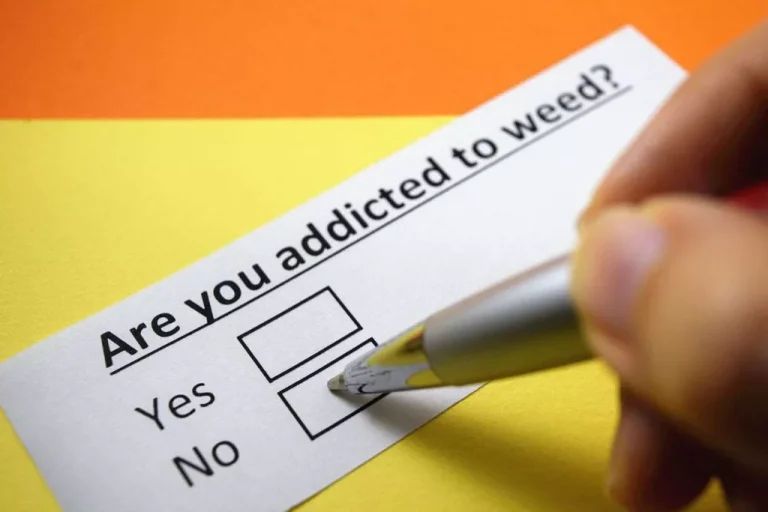
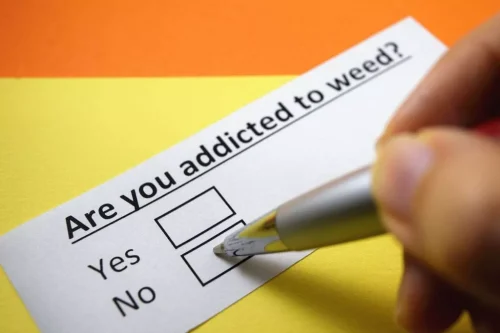
Marijuana

The detox process usually takes 30 days, as this is how long weed typically stays in the system. Finding a combination of strategies that works for you is important. As you read the following suggestions, think about which would be most beneficial for you. Discover the crucial link between adolescent addiction and mental health – exploring risks, prevention, and integrated treatment approaches. Explore the journey of recovery, from therapies to aftercare programs, and embrace a life beyond addiction. Stay informed about the risks of driving under the influence of prescription drugs.
THC Detox Methods: How to Detox From Marijuana, Body, and Drug Test
- Rather, they are the first step in a comprehensive approach to addiction treatment.
- A 2011 study found that combining an effective detox program with quality outpatient treatments could lead to significantly improved outcomes for some participants.
- Sleep is one of your best natural ways of healing, as much of your body’s repair processes occur when you aren’t awake.
- With its focus on both physical and psychological health, medical detox is a vital component in the pursuit of long-term sobriety.
- Outpatient care, also called ambulatory care, might include medication-assisted withdrawal to make the process easier.
Fortunately, there are several interventions health care providers can take to promote a safe and comfortable detox process. Moreover, various withdrawal symptoms like insomnia, nausea, restlessness, muscle aches, and anxiety can be treated with prescription medications during medical detox. What’s more, clients do not have continued access to drugs or alcohol during inpatient detox.
How to Build New Healthy Habits in Sobriety
Withdrawal from prescription drugs doesn’t always end when the these symptoms subside. Post-acute withdrawal syndrome (PAWS) is a collection of related symptoms, including mood swings, sleep disturbances and intense cravings that can persist for weeks or even months. Narcotics Anonymous is a global, community-based organization with members from all backgrounds. They offer support for addiction recovery through a twelve-step program and regular group meetings. Similar to AA, the only requirement to join is wanting to stop using. It’s important to know that detoxing from drugs can be complex and even dangerous if not done right.
Prescription drug withdrawal and detox
You may instead be prescribed something like buprenorphine or naltrexone to help you manage withdrawal symptoms and avoid cravings. Dehydration can be caused by common withdrawal symptoms like vomiting, diarrhea, or sweating and can lead to additional health issues. Drinking plenty of water helps keep you hydrated and potentially avoid dehydration-related problems. Additionally, having pre-existing health conditions (i.e., liver disease, diabetes), the detox process might cause your other symptoms to worsen.
Drugs, Gambling, Sex & the Brain: The Intricate Relationship Between Them
In addition, the level of discomfort will vary per person and usually depends on the substance, duration of use, and other situational factors. Sleep is one of your best natural ways of healing, as much of your body’s repair processes occur when you aren’t awake. Getting proper sleep will help your body continue to heal, boost your immune system, and help you regulate mood and energy levels during the day. Other troubling symptoms include hallucinations, suicidal thoughts, and fatigue that affect your ability to go about your daily life. Some side effects that occur during the post-acute withdrawal phase tend to be related to mood and energy as your brain and body continue to heal and adjust. Building a strong support system of friends, family, and support groups is vital.